Tips for November
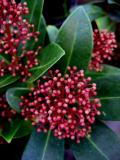
Trees and Shrubs
This is the best time to be planting shrubs and trees. The ground is just right as it has been hit hard by the frost or wet weather. Make sure when planting large items like trees that they are staked, this will protect them from the winter gales. If you live where there is wildlife then use rabbit guards around the trunks, to prevent them from being nibbled.
It is an ideal time to plant bare root hedging. You can also cut back deciduous hedges at this time of the year.
Climbers and Wall Plants.
It is an ideal time of the year to plant Clematis, Jasmine, Virginia Creeper and Honeysuckle. If you decide to plant a wall shrub, such as Pyracantha and Ceanothus make sure you don’t plant the stem right up against the wall. Leave at least 18 inches. After planting thoroughly water the plants in. It is advisable to put some mulch on the surface as this will help keep the moister in. Climbers such as clematis like their roots to be in cool soil. Mulch or large pebbles around the surface will help this.
Roses
Shrub and standard roses can now me pruned back. Many British gardeners prefer to do the final pruning in Spring (Early March), after most of the severe frost are gone, but at this time of the year they can be pruned back by half as this will prevent the winter wind tugging at them and rocking them. It is also an excellent time to be planting roses if you are starting a new rose garden.
Borders and Beds
In the herbaceous border cut back all the old tops off of plants, such as the heads and withered leaves or stems. Any plants that haven’t been diseased through the summer, the cuttings can be composted but any diseased cuttings need to be burned. If you don’t cut them back they will provide excellent breeding quarters for pests and diseases. Any plants that have still got green on try not to cut back. The green leaves have the function of nourishing the underground parts of the plants, where reserves of food are stored on which the plant relies in order to start the next year’s growth.
If you are planning a new border then you need to dig it as soon as possible so that the soil is in the right condition for planting in the spring. The best time for planting is thought to be spring, as the soil is warming up to encourage root growth. However you can plant out at the end of autumn when there is still some warmth in the soil from the summer, but this does need to be done as soon as possible.
Rock Gardens and Pools
Remove any fallen leaves from the rock garden. If you just prick the soil and sprinkle either, Horticultural Grit, Alpine Grit or Golden Grit on the surface, this will combat fungal attack. Some alpine plants especially the ones with woolly leaves are more vulnerable to winter rain, so cover these plants with a pane of glass or something similar. Leave plenty of ventilation around the side though as fresh air is essential.
Remove any leaves from the surface of the pond before they decay and foul the water. Using Crop and Pond netting to cover the pond helps to stop the leaves from falling in. Also it was stop your fish from being carried off by hungry birds.
Lawns
If you are planning a new lawn, then the digging for it needs to be done now to produce the best soil for sowing next spring. The last cut can be done early in the month, and then the lawn will need to be spiked if not done so already.
Fruit
In favourable weather planting of fruit trees and bushes can be carried out. Pruning of Apple and Pear trees can be done. Grape vines need pruning whether they are inside or outside. This will prevent bleeding when the sap starts rising next spring.
Vegetables
Now is the time to be planning for next years’ crops. Organise what you are going to grow, by getting the seeds and planning ahead. Then also this month the plot needs digging and the soil enriching.
Greenhouse and Frames
Glass needs a thorough washing to increase the light levels.
House Plants
To avoid spindly growth, give plants plenty of light, but move them away from the window on cold nights. Keep the foliage plants fairly dry, but plants in flower, such as cyclamen and bulbs, should not lack water, or blossom buds may wither and drop.